
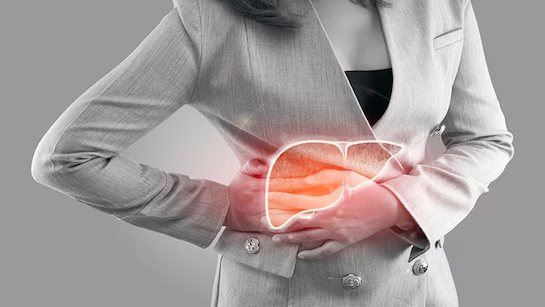
Cortisol and the Female Body: Why Stress Management is Crucial for Hormone and Liver Health
In today’s hustle culture, stress is an unavoidable side effect, especially for women juggling multiple roles. While stress seems purely mental, your body has a powerful defense system—the HPA axis (Hypothalamus–Pituitary–Adrenal axis)—which triggers the release of the primary stress hormone: Cortisol.
Cortisol’s role is to aid the body during “fight-or-flight” by regulating the breakdown of protein, fats, and carbohydrates to provide necessary energy. It also suppresses the immune system and regulates heart rate, sleep cycles, and mood. However, elongated exposure to stress due to chronic demands can lead to spiked cortisol levels, causing significant damage:
- Hormonal Imbalance: Leading to PCOS, PCOD, and irregular menstruation.
- Physical Effects: Affecting heart health and causing severe sleep/mood disturbances.
At minhance wellness, we emphasize that managing this stress response requires a holistic strategy, including dedicated stress-management techniques to support your body’s natural detoxification system.
The Liver: Your Body’s Cortisol Regulator
Once cortisol has done its job, it must be broken down and cleared from the body—and that’s where the liver steps in as a major defense line.
The liver is responsible for regulating these increased cortisol levels. It works tirelessly to:
- Detoxify Cortisol: Break down cortisol into more water-soluble forms, which are then removed as urine or converted into bile.
- Manage Glucose: Regulate the blood sugar spike that cortisol creates in the body.
A sluggish liver can’t efficiently break down cortisol and estrogen, leading to estrogen dominance, fatigue, and intense mood swings. If the liver is overburdened by toxins, poor diet, or alcohol, hormone detoxification is impaired, allowing cortisol to accumulate and worsen its damaging effects.
Maintaining liver health is pivotal in maintaining stable cortisol levels and overall well-being.
The minhance Guide to Healthy Cortisol Flow
While supporting your liver through diet and hydration is key, the most effective way to manage the negative effects of cortisol is through active stress management. Our holistic approach focuses on simple, sustainable lifestyle changes:
Lifestyle and Physical Support
- Nourish Your Body: Ensure your diet is rich in vegetables, leafy greens, and nuts to support detoxification pathways.
- Stay Hydrated: Good amounts of water are essential for the liver’s function in clearing toxins.
- Prioritize Sleep Hygiene: Cortisol naturally follows sleep patterns. A dysregulated sleep schedule can spike cortisol, so aim for consistency.
- Practice Movement: Gentle activities like yoga, Tai Chi, or brisk walking help metabolize and reduce circulating cortisol levels.
- Maintain Stable Blood Sugar: Avoid sugar spikes, as sudden glucose surges can unnecessarily trigger a cortisol response.
Mental and Emotional Management
Prevention is better than cure. Healthy stress management prevents the onset of cortisol spikes, and this is where minhance’s expertise truly helps:
- Mindful Breathing & Grounding: Use simple techniques like diaphragmatic breathing and guided imagery to calm the nervous system and interrupt the HPA axis response.
- Self-Care & Journaling: Dedicate time daily for self-reflection and activities that genuinely rest your mind, preventing emotional overload.
Your body does great things for you. Spending a few minutes on yourself every day goes a long way in coping with stress. It’s important to acknowledge, listen to, and give love and care to your body.
➡️ Ready to move beyond the hustle and gain expert tools to manage your stress response? Schedule your confidential consultation with a minhance specialist today to learn sustainable stress management techniques.


