Understanding ADHD: Types, Symptoms, and Causes of Attention Deficit Hyperactivity Disorder
Attention Deficit Hyperactivity Disorder (ADHD) is one of the most common neurodevelopmental disorders affecting children, often continuing into adolescence and adulthood. It fundamentally affects attention span, impulse control, and emotional regulation. Understanding what ADHD is, its origins, and how it presents is the first step toward compassionate, effective care.
What is ADHD? The Diagnostic Essentials
ADHD is a chronic condition marked by a persistent pattern of inattention and/or hyperactivity-impulsivity that severely interferes with functioning or development.
For a diagnosis to be made, symptoms must:
- Be present for at least six months.
- Occur more intensely and frequently than in peers of the same age.
- Affect the individual in more than one setting (e.g., at home, school, and social environments).
The Three Subtypes of ADHD
ADHD is not a monolithic condition; it is classified into three distinct presentations based on the most prevalent symptoms:
| ADHD Subtype | Core Features | Common Symptoms |
| 1. Predominantly Inattentive Type | Difficulty focusing, executive function issues, and internal disorganization. | Easily distracted, forgetful in daily tasks, often loses things, difficulty sustaining focus on work, avoids tasks requiring sustained effort. |
| 2. Predominantly Hyperactive-Impulsive Type | Excessive movement and difficulty with self-control or patience. | Fidgets/squirms, leaves seat inappropriately, talks excessively, interrupts conversations, has trouble playing quietly. |
| 3. Combined Type | Meets the full criteria for both the inattentive and the hyperactive-impulsive types. | Displays a significant mix of symptoms from both categories. |
Core Symptoms Breakdown
Inattention Symptoms
These relate to the inability to stay on task, be organized, or persist with mental effort:
- Makes frequent careless mistakes (e.g., in schoolwork).
- Doesn’t listen when directly spoken to.
- Fails to complete tasks (e.g., homework or chores).
- Easily distracted by unrelated stimuli.
- Is often forgetful in daily activities.
Hyperactivity and Impulsivity Symptoms
These reflect excessive motor activity and difficulty controlling one’s actions or speech:
- Fidgets and squirms in their seat; acts as if “driven by a motor.”
- Talks excessively and often interrupts conversations or games.
- Has trouble playing quietly or engaging in leisure activities.
- Impulsive behaviors such as blurting out answers before questions are finished.
Causes of ADHD: A Multifaceted Origin
ADHD is primarily a neurobiological condition, arising from a combination of factors, not poor parenting or willpower:
- Genetics (The Strongest Link): ADHD often runs strongly in families, indicating a significant inherited component.
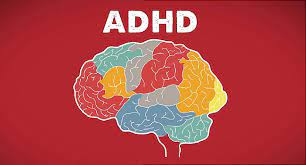
- Brain Differences: Research shows structural and functional differences in the brains of individuals with ADHD, particularly in areas governing attention, behavior control, and executive functions.
- Environmental Risks: While less common, exposure to toxins like alcohol, tobacco, or lead during pregnancy or early childhood may increase risk.
- Brain Injuries: In rare cases, a traumatic brain injury can lead to the emergence of ADHD-like symptoms.
Compassionate Care Starts with Expertise
Recognizing the symptoms and understanding the root causes of ADHD is the vital first step toward effective intervention. Early diagnosis and support lead to better outcomes in academic performance, social functioning, and long-term self-esteem.
At minhance wellness, we offer expert assessment and compassionate, evidence-based multimodal therapy to help children and families navigate the complexities of ADHD.
➡️ Ready to take the next step toward a clear diagnosis and tailored support?https://cal.com/namratha-vijaykumar/15min-call Schedule a consultation with a minhance specialist today.