Hidden ADHD Symptoms: Understanding Time Blindness, Clumsiness, and Coordination Issues in Children
ADHD is often narrowly understood as just hyperactivity or easy distraction. However, many lesser-known symptoms—like time blindness, clumsiness, and poor coordination—can significantly affect a child’s quality of life. These challenges often go unnoticed or are misattributed, but they have a profound impact on academic, emotional, and social development.
At minhance wellness, we specialize in recognizing these subtle, hidden effects to provide targeted support that respects the child’s individual neurological profile.
1. Clumsiness and Poor Motor Coordination
Many children with ADHD struggle with motor coordination and fine motor skills. This is not necessarily a lack of effort; it’s linked to brain function differences that affect the communication required for coordinated movement.
These difficulties often show up as:
- Gross Motor: Frequently tripping, falling, or struggling with sports.
- Fine Motor: Messy handwriting, difficulty buttoning clothes, or struggling with activities that require hand-eye coordination.
- Spatial Awareness: Constantly knocking over objects or bumping into things.
If left unaddressed, this clumsiness can significantly impact the child’s self-esteem and may predict difficulties in learning or behavior in adulthood.
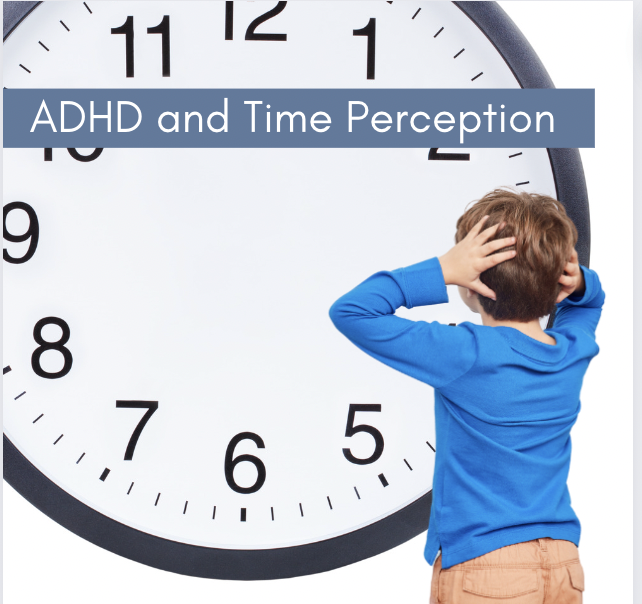
2. Time Blindness: The Challenge of Perception
One of the most defining but least understood symptoms is time blindness—a difficulty with the internal perception and estimation of time. Children with ADHD often struggle because they are wired to live primarily in the “now.”
This problem with internal timekeeping manifests as:
- Estimation Issues: Struggling to gauge how long a task will realistically take (“I’ll be ready in 5 minutes,” which turns into 30).
- Pacing Problems: Moving too slowly or too quickly for the demands of a task or social setting.
- Transition Difficulty: Losing track of time easily, leading to difficulty transitioning between activities or meeting deadlines.
- Planning Challenges: Significant problems with long-term planning, organization, and prioritizing tasks.
3. Behavioral, Emotional, and Gender Impact
These coordination and timing issues are rarely about defiance. They are often a result of unmet developmental needs, leading to significant behavioral and emotional challenges:
- Emotional Meltdowns: Frustration in schoolwork or social settings due to repeated, uncontrollable failures (missing deadlines, falling).
- Social Withdrawal: Leading to loneliness and low self-confidence due to embarrassment over their clumsiness or inability to “keep up.”
It’s also important to note the gender difference in presentation: Boys often display more outward physical hyperactivity, while Girls may exhibit quieter inattentiveness, emotional sensitivity, and over-compensation, often leading to underdiagnosis.
Conclusion
By understanding that ADHD is much more than a focusing issue, we can move past simple discipline and provide children with better tools, patience, and neurodevelopmental support.
At minhance wellness, we specialize in therapeutic and holistic interventions that target these exact symptoms—building time management skills, improving motor coordination, and fostering emotional regulation—without solely relying on medication.
➡️ Ready to address the hidden challenges of ADHD in your child? In our next blog, we’ll explore the natural and holistic ways minhance helps manage these complex symptoms.